
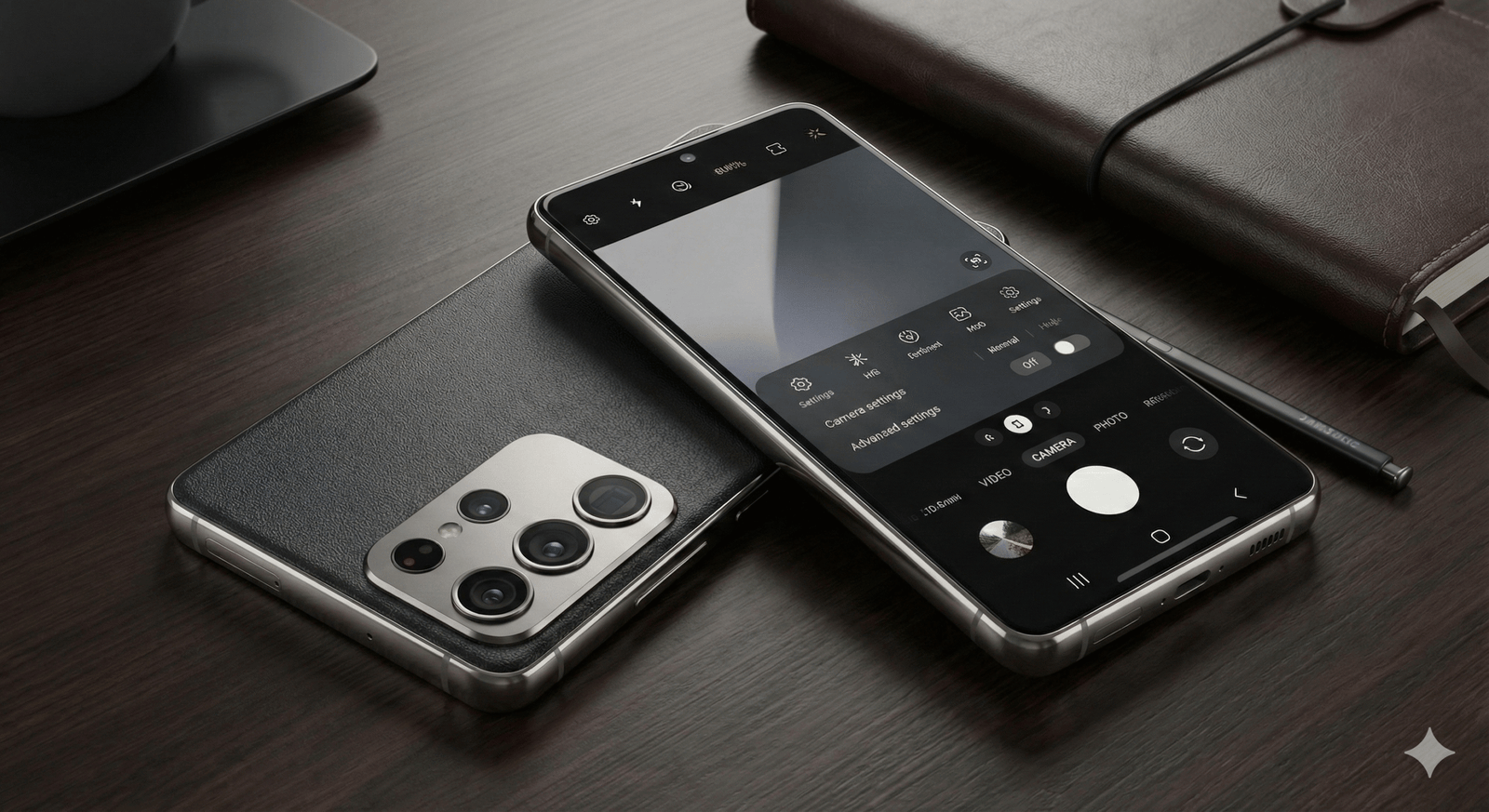
The smartphone world is buzzing with anticipation for the Samsung Galaxy S26 series, and for good reason. As mobile photography continues to bridge the gap with professional DSLRs, Samsung is poised to take a massive leap forward. The rumored Galaxy S26 camera upgrade isn’t just about higher megapixels; it represents a fundamental shift in how we capture the world, blending next-generation hardware with revolutionary AI processing.
For tech enthusiasts and everyday users alike, the camera remains the single most critical feature of a modern smartphone. Whether you’re a content creator needing pristine 8K video or a night-owl photographer chasing the perfect low-light shot, the S26 series promises to deliver. In this deep dive, we’ll separate fact from fiction, analyzing the most credible leaks to paint a clear picture of what’s coming in 2026.
The Ultra’s Main Sensor: Evolution Over Revolution?
The Galaxy S26 Ultra is expected to retain its headline-grabbing 200MP resolution, but don’t let the numbers fool you. Rumors suggest a move to a more refined ISOCELL HP2 iteration or a potential switch to a larger Sony sensor.
- Aperture Upgrade: Leaks point to a wider f/1.4 aperture (up from f/1.7), allowing significantly more light for superior night shots.
- Sensor Size: Conflicting reports suggest either a familiar 1/1.3-inch sensor or a massive 1/1.12-inch upgrade to rival Chinese flagships.
The End of the 10MP Telephoto Era?
For years, fans have criticized Samsung’s use of a 10MP 3x zoom lens. The Galaxy S26 might finally address this.
- Resolution Bump: Strong rumors indicate a new 12MP or 50MP 3x telephoto sensor.
- Why It Matters: Higher resolution allows for “lossless” cropping, effectively giving you a 6x hybrid zoom without quality loss.
- Sensor Tech: A larger physical sensor size would mean less noise in zoomed-in low-light portraits.
50MP Ultrawide for the Entire Lineup
While the Ultra got a 50MP ultrawide in the S25 series, the base and Plus models were left behind. 2026 could be the year of parity.
- Base Model Upgrade: The standard S26 and S26+ are tipped to finally ditch the 12MP sensor for a 50MP ultrawide lens.
- Macro Photography: This high-res sensor would likely double as a macro shooter for the cheaper models.
- 8K Video: A 50MP sensor enables 8K video recording across all rear lenses, not just the main one.
The “Pro” Rebrand: A Camera-Centric Shift?
Whispers in the industry suggest Samsung might rename the “Plus” model to the Galaxy S26 Pro.
- New Identity: This rebranding suggests a focus on pro-grade photography features previously reserved for the Ultra.
- Feature Gap: A “Pro” model would likely share the Ultra’s main camera sensor but in a smaller, more pocketable chassis.
Exynos 2600 ISP: The Hidden Powerhouse
The Image Signal Processor (ISP) inside the rumored Exynos 2600 chipset is a beast waiting to be unleashed.
- 320MP Support: The chip technically supports single cameras up to 320MP, future-proofing the lineup.
- 8K 60fps: We might finally see smooth 8K video recording, a jump from the current 30fps limit.
- Efficiency: A more efficient ISP means longer battery life even when shooting heavy 4K video.
Snapdragon 8 Elite Gen 5 Integration
For markets getting the Snapdragon variant, the “Gen 5” chip brings its own camera magic.
- Cognitive ISP: Qualcomm’s AI-driven ISP can identify layers in a photo (sky, skin, hair) and process them individually in real-time.
- Zero Shutter Lag: Faster processing speeds could finally eliminate the shutter lag that has plagued Samsung phones for years.
Next-Gen Nightography: Hardware vs. AI
Samsung coined the term “Nightography,” and the S26 aims to perfect it.
- AI Denoising: New algorithms will likely aggressively remove grain from night skies without smoothing out star details.
- Wider Optics: The rumored f/1.4 aperture combined with AI could make night video look as clear as dusk.
Video Recording: APV Codec Introduction
Content creators should pay attention to the rumored Advanced Professional Video (APV) codec.
- Flexibility: This codec offers ProRes-like editing flexibility with smaller file sizes.
- Dynamic Range: Expect vastly improved HDR video that preserves details in both bright windows and dark corners.
The Selfie Camera: Unchanged but Improved?
Don’t expect a megapixel jump on the front, but quality will likely improve.
- Sensor: Likely remaining at 12MP.
- Field of View: Leaks suggest a wider lens to fit more people into group selfies naturally.
- Autofocus: Faster, AI-driven autofocus to keep vlogs sharp even when moving.
Variable Aperture: A Returning Hero?
One of the most exciting “wildcard” rumors is the return of the variable aperture.
- The Tech: Mechanical blades that switch between f/1.4 and f/2.4.
- The Benefit: Use f/1.4 for natural bokeh and night shots, and f/2.4 for sharp landscapes where everything needs to be in focus.
- Precedent: Samsung last used this on the S9/S10 series, and its return would be a massive differentiator.
AI Generative Editing 2.0
The camera experience doesn’t end when you click the shutter.
- Video Backgrounds: Generative AI could allow you to swap video backgrounds in real-time, not just photos.
- Object Removal: “Magic Eraser” for video is the next logical step, removing passersby from your 4K clips.
Comparison: Galaxy S26 Ultra vs. iPhone 17 Pro Max
How does the S26 Ultra stack up against its biggest rival’s rumored specs?
| Feature | Galaxy S26 Ultra (Rumored) | iPhone 17 Pro Max (Expected) |
| Main Camera | 200MP (f/1.4 Aperture) | 48MP (1/1.14″ Sensor) |
| Telephoto | 10MP/12MP (3x) + 50MP (5x) | 48MP (5x Tetraprism) |
| Ultrawide | 50MP | 48MP |
| Video | 8K @ 60fps | 4K @ 120fps (ProRes) |
| Front Cam | 12MP | 24MP |
Zoom Capabilities: 100x and Beyond
Space Zoom is Samsung’s party trick, and it’s getting cleaner.
- AI Super Resolution: Deep learning will likely reconstruct texture at 30x and 100x zoom, making text readable from huge distances.
- Stabilization: Improved OIS (Optical Image Stabilization) to make framing a shot at 100x less shaky.
Design Changes Impacting Cameras
The physical design of the phone dictates the camera quality.
- Thinner Body: A slimmer phone usually means smaller sensors, but Samsung might use a “camera island” bump to house larger optics.
- Lens Coatings: New anti-reflective coatings to reduce lens flare and “ghosting” from streetlights.
Software: One UI 8 Camera Features
The new One UI 8 update will bring specific camera-centric features.
- Pro Mode UI: A redesigned manual mode that is easier for beginners to understand.
- Widget Support: dedicated camera widgets for instant access to specific modes (e.g., “Instant Portrait”).
Battery Life Impact of New Cameras
High-res cameras drain batteries fast.
- Efficiency: The M14 OLED panel and 2nm chips should offset the power drain of processing 200MP images.
- Processing: Moving AI tasks to the NPU (Neural Processing Unit) saves main CPU power, extending shoot times.
Price vs. Value: Is the Upgrade Worth It?
Camera components are expensive.
- Cost: Rumors suggest a potential $50-$100 price hike due to new sensors and the Snapdragon 8 Elite chip.
- Value: For users on the S23 or older, the jump in zoom and low-light performance will be massive. S25 users might see fewer gains.
Release Date and Availability
- Announcement: Expected at Galaxy Unpacked in January/February 2026.
- Launch: Pre-orders typically ship within 2 weeks of the event.
- Regions: Exynos variants in Europe/Asia and Snapdragon in the US/China is the likely split.
Frequently Asked Questions (FAQs)
Will the Galaxy S26 base model get better cameras?
Yes. The most credible rumors suggest the base Galaxy S26 will finally receive a 50MP ultrawide camera, replacing the outdated 12MP sensor. This brings better detail and macro capabilities to the cheaper model.
Is Samsung changing the 10MP 3x zoom lens?
There are conflicting reports. Some sources claim a switch to a higher-resolution 12MP or 50MP sensor for the 3x zoom, while others suggest Samsung will stick with 10MP but use a newer, higher-quality sensor to improve clarity.
What is the benefit of the rumored f/1.4 aperture on the Ultra?
A wider aperture (lower f-number) allows more light to hit the sensor. Moving from f/1.7 to f/1.4 would significantly improve low-light performance, reduce motion blur in dim settings, and create a stronger natural background blur (bokeh).
Will the Galaxy S26 shoot 8K video?
Yes. The Ultra model has supported 8K for years, but the S26 series might introduce 8K at 60fps (frames per second), making the footage much smoother and more usable for fast-moving subjects.
How does the S26 camera compare to the iPhone 17?
While the iPhone 17 is rumored to move to a triple 48MP setup, Samsung retains the advantage in sheer resolution (200MP main) and zoom versatility (dedicated 3x and 5x lenses). Samsung generally wins on zoom, while Apple often leads in video stabilization.
Will AI features be free on the Galaxy S26 cameras?
Samsung has hinted that some advanced AI features might eventually require a subscription. However, core camera features like AI scene optimization and basic generative editing are expected to remain free at launch.
Should I wait for the S26 or buy the S25 now?
If photography is your priority, wait for the S26. The potential aperture widening and telephoto sensor upgrades, combined with the new ISP in the next-gen chips, will likely offer a noticeable improvement over the S25.
Conclusion
The Galaxy S26 camera upgrade rumors paint a picture of a device that is refining the art of smartphone photography rather than reinventing the wheel. By focusing on critical areas like low-light aperture, zoom clarity, and cohesive AI integration, Samsung is addressing the specific pain points of its users.
While the “megapixel wars” may be slowing down, the battle for image quality is fiercer than ever. Whether you are a professional photographer or just want better photos of your pets, the Galaxy S26 series is shaping up to be a compelling upgrade. Keep an eye on the official announcement in early 2026 to see which of these promising rumors become reality.