The modern professional landscape is shifting toward a model of rigorous accountability and technical precision. In sectors ranging from massive civil infrastructure to complex digital ecosystems, the Chief Technical Examiner stands as the ultimate guardian of quality and integrity. This role is not merely about management; it is a high-level auditing and oversight function designed to ensure that every technical specification is met without compromise. Whether in a government vigilance department or a corporate quality assurance wing, the presence of a technical examiner ensures that funds are spent wisely and projects are built to last.
In this article, we will dive deep into the world of technical auditing. We will explore the core responsibilities, the essential skills, and the strategic importance of this position in 2026. If you are a professional looking to advance your career or a stakeholder wanting to protect your investments, this guide offers the actionable insights you need. We will solve the mystery of how these experts prevent fraud, ensure safety, and maintain the highest standards of engineering and technology.
What is a Chief Technical Examiner?
A Chief Technical Examiner is a specialized professional responsible for the independent auditing and inspection of technical works. Unlike a Project Manager who focuses on delivery, the examiner focuses on compliance. They act as a “watchdog” to verify that materials, processes, and final outputs align with legal regulations and contract specifications.
- Primary Focus: Independent technical auditing and conformity assessment.
- Sector Presence: Common in government vigilance (like the CVC in India) and large-scale engineering firms.
- Key Goal: To prevent waste, fraud, and substandard workmanship through rigorous inspection.
The Core Responsibilities of the Role
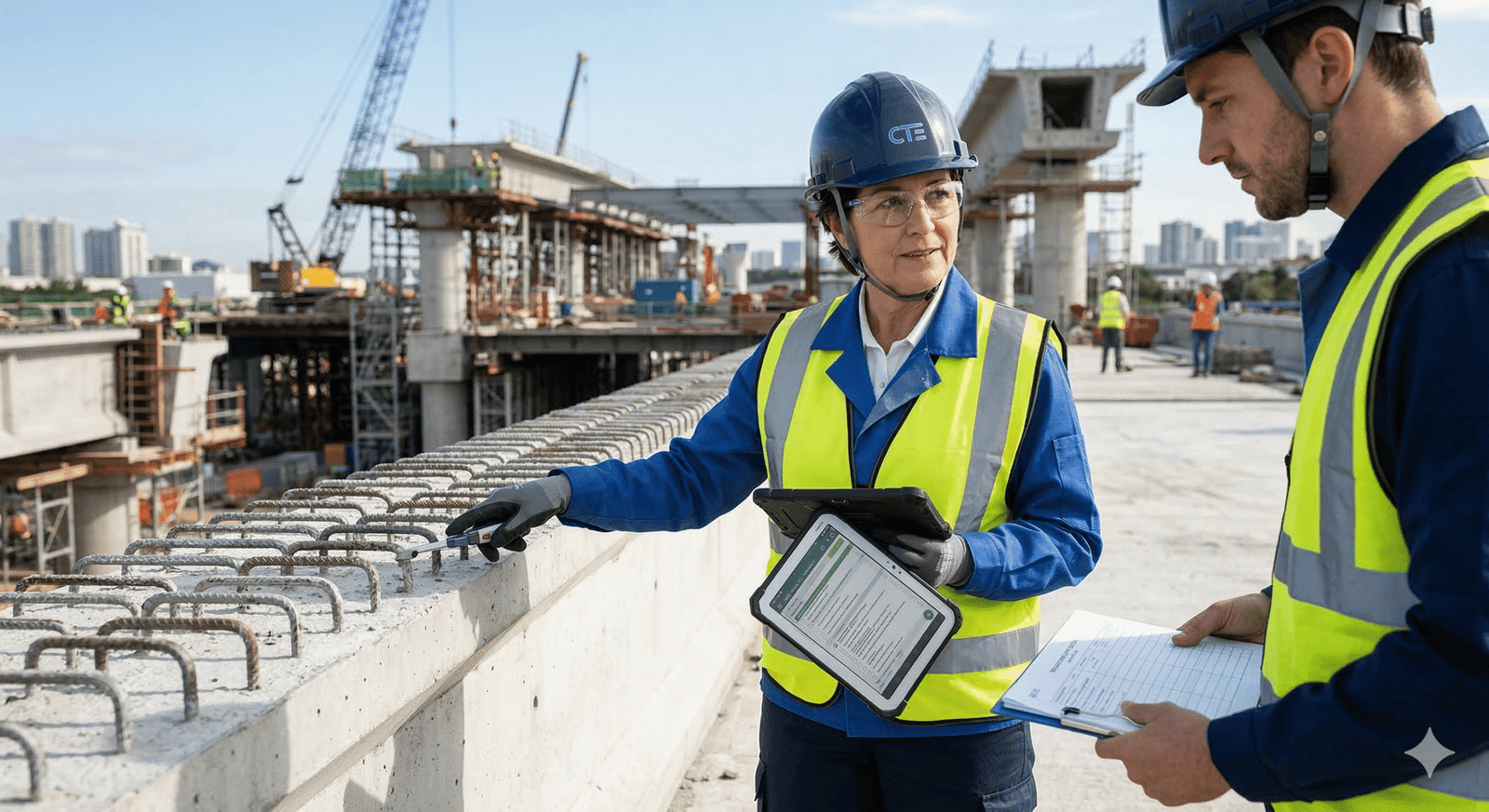
The daily life of a technical examiner is diverse, ranging from office-based document reviews to surprise site visits. Their authority allows them to pause projects if safety or quality standards are being ignored.
- Audit Planning: Developing comprehensive schedules for project reviews.
- Technical Inspection: Physically verifying work at various construction or development stages.
- Compliance Reporting: Drafting detailed findings for senior management or legal bodies.
- Material Testing: Overseeing the laboratory testing of materials to ensure they meet the “Schedule of Rates” and quality benchmarks.
Pre-Tender and Planning Scrutiny
Prevention is better than a cure, and a Chief Technical Examiner starts their work long before a shovel hits the ground. By examining the pre-tender documents, they ensure the project is set up for success from the start.
- Estimate Verification: Checking if cost estimates are realistic and not artificially inflated.
- Design Review: Ensuring the technical designs are sound and follow industry codes (like BIS or IRC).
- Contract Clarity: Verifying that the scope of work is clearly defined to avoid future disputes.
Construction Phase and Site Inspections
The most critical part of the job happens on-site. The examiner conducts intensive examinations to see if the theoretical plans match the practical reality.
- Surprise Visits: Conducting unannounced inspections to catch discrepancies in real-time.
- Measurement Books (MB): Auditing the records of work done to prevent overpayment.
- Safety Protocols: Ensuring that workers are following high-level safety guidelines to prevent accidents.
Technical Examiner vs. Chief Technology Officer (CTO)
While the names sound similar, their functions are worlds apart. It is important to distinguish between the auditing nature of an examiner and the strategic nature of a CTO.
Comparison Table: CTE vs. CTO
| Feature | Chief Technical Examiner (CTE) | Chief Technology Officer (CTO) |
| Primary Goal | Auditing, Compliance, and Vigilance | Innovation, Strategy, and Growth |
| Orientation | Inward/Project Scrutiny | Outward/Market Innovation |
| Authority | Independent Oversight/Vigilance | Executive Leadership/Management |
| Main Output | Audit Reports and Risk Analysis | New Products and Tech Roadmaps |
The Importance of Preventive Vigilance
The concept of “Preventive Vigilance” is central to this role. By identifying systemic flaws early, the examiner helps the organization improve its internal processes.
- System Improvements: Recommending changes to procurement rules to close loopholes.
- Training: Conducting workshops to educate staff on quality control and ethics.
- Corruption Deterrence: The mere presence of a technical audit wing acts as a deterrent against fraudulent practices.
Essential Skills for a Technical Examiner
To succeed as a Chief Technical Examiner, one needs a unique blend of technical expertise and investigative “detective” skills. It is a role that demands both a hard hat and a keen analytical mind.
- Domain Expertise: Deep knowledge of civil, electrical, or IT engineering.
- Ethical Integrity: A commitment to honesty, even under pressure from contractors or stakeholders.
- Analytical Writing: The ability to turn complex technical failures into clear, actionable reports.
- Attention to Detail: Finding the “needle in the haystack” in thousands of pages of procurement data.
Digital Tools and Modern Auditing
In 2026, the pen-and-paper audit is a thing of the past. Modern examiners use cutting-edge technology to perform their duties with greater accuracy and speed.
- Geo-Tagging: Using GPS-stamped photos to prove that work was done at the correct location.
- AI Document Analysis: Scanning thousands of invoices to find patterns of overcharging.
- Drone Inspections: Using UAVs to inspect high-rise structures or dangerous bridge segments.
Handling Deviations and Substitutions
Contractors often try to substitute high-grade materials with cheaper alternatives to save money. This is where the examiner must be most vigilant.
- Quality Check: Verifying that “Grade A” steel wasn’t replaced with “Grade B.”
- Impact Assessment: Determining how a substitution might affect the structural lifespan of a building.
- Recovery Actions: Recommending the recovery of payments if the work is found to be substandard.
The Legal and Investigative Aspect
Because their findings can lead to legal action, a Chief Technical Examiner must follow strict evidence-gathering protocols.
- Evidence Preservation: Ensuring that photos and samples are collected in a way that is admissible in court.
- Liaison with Authorities: Working with bodies like the CBI or internal vigilance departments.
- Disciplinary Opinions: Providing expert testimony during departmental inquiries.
Project Life Cycle Auditing
An audit is not a one-time event. It is a continuous process that tracks the project from its birth to its handover.
- Tender Evaluation: Checking if the bidding process was fair and transparent.
- Work-in-Progress: Monitoring the middle stages of development.
- Post-Completion: Performing a final “as-built” check before the project is officially closed.
Case Study: Avoiding Infrastructure Failure
Consider a major highway project where the Chief Technical Examiner found that the thickness of the bitumen layer was 10% less than specified.
- The Finding: Core samples showed inadequate thickness across a 5km stretch.
- The Action: The examiner ordered the contractor to re-layer the section at their own cost.
- The Result: The road survived the monsoon season without potholes, saving the government millions in repair costs.
Procurement Integrity and Fairness
A large part of the examiner’s role is ensuring that the procurement process is not rigged. They look for “tailor-made” tender conditions that favor specific companies.
- Transparency Check: Ensuring that tenders are advertised widely and fairly.
- Negotiation Scrutiny: Reviewing any price negotiations to ensure they weren’t used to bypass lower bidders.
- Vendor Performance: Maintaining a database of contractors who consistently fail technical audits.
Global Perspectives on Technical Examination
While the specific title may change, the function of technical oversight is a global standard in high-trust industries.
- Europe: Focused heavily on environmental and safety compliance (ISO standards).
- North America: Often integrated into “Quality Assurance” and “Internal Audit” departments.
- Asia: Strong emphasis on public works and anti-corruption frameworks.
Career Path to Becoming a CTE
Becoming a Chief Technical Examiner usually requires at least 15–20 years of technical experience. It is a “crown” role for seasoned engineers and auditors.
- Educational Foundation: A Bachelor’s degree in Engineering (Civil/Electrical/Mechanical) is the standard entry point.
- Certifications: Professional certifications in auditing (like CIA) or project management (PMP) add significant value.
- Experience: Most candidates come from senior ranks in public works departments or specialized technical agencies.
Challenges Faced by Technical Examiners
The job is not without its difficulties. Examiners often face pushback from project teams who see them as “roadblocks” to progress.
- Political Pressure: Managing interference in high-profile public projects.
- Time Constraints: Completing thorough audits within tight project deadlines.
- Evolving Tech: Staying updated on new construction materials and digital software.
The Future of Technical Oversight
As we look toward 2030, the role will become even more data-driven. We may see the rise of “Real-Time Auditing” using IoT sensors embedded in construction materials.
- Smart Materials: Sensors that report their own stress and quality levels to the examiner.
- Blockchain Records: Using immutable ledgers for Measurement Books to prevent tampering.
- Predictive Risk Models: AI that predicts which projects are most likely to fail based on historical data.
Why Organizations Need a Technical Wing
For any large organization, the cost of a Chief Technical Examiner is an investment, not an expense. The savings generated by preventing a single structural failure can fund the entire department for years.
- Financial Protection: Stopping overpayments and fraudulent claims.
- Brand Reputation: Ensuring that the quality of work reflects well on the organization.
- Public Safety: The most important factor—ensuring that the bridges, buildings, and systems we use every day are safe.
Frequently Asked Questions
What is the main difference between a Technical Examiner and a regular Auditor?
A regular auditor focuses on financial books and accounting. A Chief Technical Examiner focuses on the technical quality of the work, such as the strength of concrete, the safety of wiring, or the efficiency of a software code.
Can a technical examiner stop a project?
Yes, if they find a serious safety violation or a major deviation from the contract that compromises the project’s integrity, they have the authority to issue a “Stop Work” notice.
What industries hire Chief Technical Examiners?
They are most common in Civil Engineering, Infrastructure, Energy (Oil & Gas), and large-scale Government Public Works departments.
Does this role require a specific license?
Usually, it requires being a “Chartered Engineer” or a licensed professional engineer in the relevant jurisdiction, along with significant experience in public or corporate administration.
How do technical examiners detect fraud?
They use a combination of physical site measurements, laboratory testing of material samples, and “cross-checking” project diaries against financial invoices.
Is the role of a CTE considered a “Vigilance” role?
In many government settings, yes. It is the technical arm of the vigilance department, focused on preventing corruption in technical contracts.
What is a Measurement Book (MB) audit?
A Measurement Book is where engineers record the quantity of work done. An examiner audits this book by physically re-measuring the work on-site to ensure the numbers haven’t been “padded.”
Conclusion
The role of the Chief Technical Examiner is the backbone of high-quality infrastructure and technological development. By acting as an independent, expert voice, they ensure that the gap between “what was promised” and “what was built” is zero. This position requires a rare combination of deep technical knowledge, unwavering ethics, and the strategic foresight to predict risks before they become disasters.
As projects become more complex and budgets grow into the billions, the need for technical oversight has never been greater. For organizations, it provides a layer of security that traditional financial audits simply cannot offer. For professionals, it represents a prestigious and impactful career path that literally shapes the world around us. Whether you are looking to hire a CTE or aspire to become one, remember that at the heart of this role is a simple, powerful goal: ensuring excellence through integrity.