
Introduction
In the rapidly evolving landscape of personal transportation, a new contender has emerged that perfectly blends retro aesthetics with futuristic technology: the eschopper. Gone are the days when electric mobility meant riding a flimsy, toy-like scooter. The eschopper represents a paradigm shift, offering a robust, comfortable, and undeniably stylish alternative for the modern urban commuter. As gas prices fluctuate and cities become more congested, the demand for sustainable, efficient, and “cool” transport solutions has skyrocketed, paving the way for the electric chopper to take center stage.
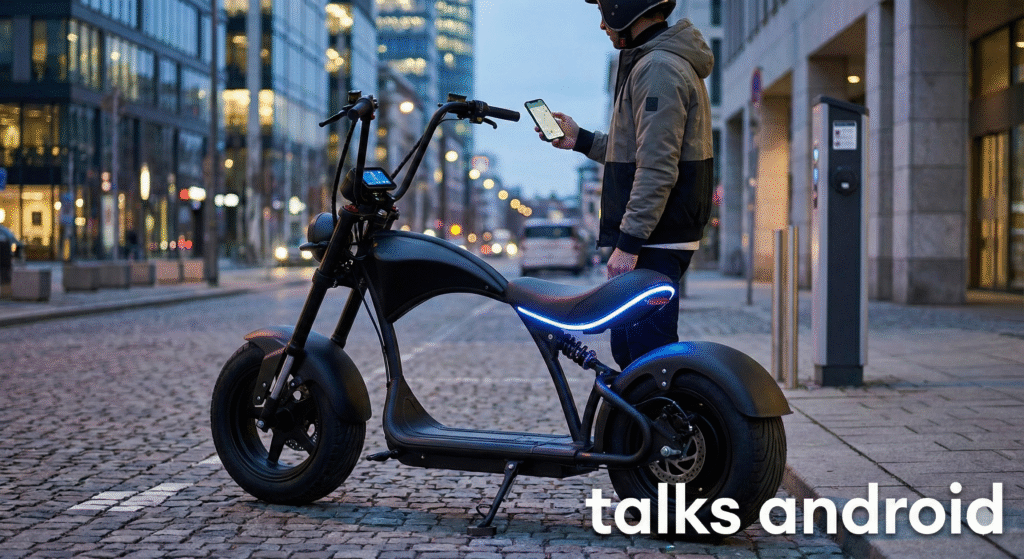
The eschopper is essentially an electric scooter designed with the visual DNA of a classic motorcycle chopper. Characterized by wide “fat” tires, a low-slung seat, and high handlebars, it creates a riding experience that is both stable and relaxed. But beyond the looks, these vehicles are marvels of modern engineering. They pack powerful brushless motors, high-capacity lithium batteries, and smart connectivity features that appeal to tech enthusiasts and eco-conscious riders alike.
This article serves as your ultimate guide to the world of the eschopper. We will dissect the technology under the hood, analyze the cost-benefit ratio compared to traditional transport, and explore why this specific form factor is taking over city streets globally. Whether you are looking to slash your commute time or simply want to ride the wave of EV innovation, understanding the eschopper is your first step toward a smarter, greener future.
What Exactly is an Eschopper?
An eschopper is a distinct category of electric vehicle (EV) that sits comfortably between a standard electric bicycle and an electric motorcycle. Unlike the narrow-tired kick scooters found on city sidewalks, an eschopper is defined by its “CityCoco” style a robust frame, wide tires, and a seated riding position.
This vehicle is designed for stability and comfort. The wide tires provide excellent traction and shock absorption, making them suitable for uneven city pavements. Most models are completely electric, producing zero emissions and operating in near silence. They are often classified as mopeds or scooters depending on the local jurisdiction, but their unique design language sets them apart as a lifestyle statement rather than just a utility tool.
- Key Visuals: Fat tires, minimal tubular frame, high handlebars.
- Power Source: 100% Electric battery pack.
- Vibe: Cruiser-style relaxation meets high-tech efficiency.
The Tech Under the Hood: Brushless Motors
The heart of every eschopper is its motor. Most high-quality models utilize a Brushless DC (BLDC) motor, usually integrated directly into the rear wheel hub. This “hub motor” design is a game-changer for maintenance and efficiency.
Because there are no chains or belts to drive the wheel, energy loss is minimized. These motors typically range from 1000W to 3000W. A 2000W motor, for example, provides ample torque for climbing moderate hills and accelerating quickly from a standstill at traffic lights. The technology behind these motors allows for precise speed control and regenerative braking, where the motor reverses resistance to recharge the battery when you slow down.
- Efficiency: Higher power transfer than chain-driven motors.
- Maintenance: Zero chain oiling or tension adjustment required.
- Noise: Virtually silent operation.
Battery Technology: The Lifeline of the Ride
The range and power of an eschopper are dictated by its battery pack. Modern iterations almost exclusively use Lithium-Ion (Li-ion) technology, similar to what is found in Tesla cars or high-end laptops. These batteries are lighter and hold a charge longer than older lead-acid varieties.
A crucial feature in the current market is the removable battery. This design choice solves the biggest hurdle of urban EV ownership: charging infrastructure. You don’t need a garage with a power outlet; you can simply unlock the battery compartment, slide out the pack, and charge it in your apartment or office just like a smartphone.
- Voltage: Typically 60V systems for better power delivery.
- Capacity: Measured in Amp-hours (Ah), usually ranging from 12Ah to 30Ah.
- Lifespan: 500 to 1000 charge cycles before significant degradation.
Range Reality: How Far Can You Go?
One of the first questions potential buyers ask is about the range of an eschopper. Manufacturers often claim ranges of up to 50 or 60 miles, but real-world performance depends on several variables including rider weight, terrain, and speed.
On average, a standard model with a 20Ah battery will deliver a reliable range of 25 to 35 miles (40-60 km) on a single charge. This covers the daily commute for the vast majority of urban dwellers. For those with longer distances to cover, many premium models offer dual-battery slots, effectively doubling the range and allowing for inter-city travel capabilities without range anxiety.
- Standard Range: 25-35 miles per charge.
- Factors: Wind resistance, hills, and tire pressure affect distance.
- Solution: Dual battery configurations for long-haul riders.
Speed and Performance Dynamics
While an eschopper looks like a motorcycle, it is generally speed-capped to comply with moped regulations. Most street-legal models have a top speed ranging from 28 mph (45 km/h) to 40 mph (65 km/h).
However, the thrill isn’t in top-end speed; it’s in the torque. Electric motors provide instant torque the moment you twist the throttle. This means you can zip away from traffic lights faster than most gas-powered cars. This acceleration is vital for safety in city traffic, allowing riders to merge confidently and navigate changing lanes with agility.
- Speed Modes: Most come with 3 selectable gears (Eco, Normal, Sport).
- Climbing: High-torque models can handle 20-degree inclines.
- Acceleration: Instant power delivery for safer merging.
Safety Features and Stability
Safety is paramount when two wheels meet the asphalt. The eschopper inherently offers better stability than kick scooters due to its low center of gravity and wide contact patch with the road. The “fat tires” prevent the wheel from getting stuck in tram tracks or potholes.
Technologically, these vehicles are equipped with hydraulic disc brakes on both the front and rear wheels, providing stopping power that far exceeds mechanical drum brakes. Additionally, modern units feature full LED lighting systems, including turn signals, high beams, and brake lights, ensuring visibility during night rides.
- Braking: Hydraulic disc brakes for short stopping distances.
- Lighting: Full LED systems for night visibility.
- Tires: Wide profile reduces slipping on wet surfaces.
Design and Ergonomics: The Comfort Factor
The defining feature of the eschopper is its ergonomics. Traditional scooters require standing, which causes fatigue, or sitting on a cramped, high seat. The chopper design places the rider in a laid-back, seated position with legs stretched forward.
This posture reduces strain on the back and wrists, making the vehicle suitable for longer rides that would be exhausting on a bicycle. The seats are typically wide and cushioned, often accommodating a second passenger (pillion). The suspension systems usually hydraulic forks upfront and springs in the rear further smooth out the ride.
- Posture: Relaxed, upright seating position.
- Suspension: Dual shock absorbers for smooth riding.
- Seat: Wide, cushioned saddle often supports two riders.
Legal Landscape and Regulations
Navigating the legality of the eschopper can be tricky as regulations vary by country and state. Generally, because they have a seat and exceed certain speeds, they are rarely classified as “toys.”
In many regions, including parts of Europe and the US, an eschopper is classified as a “moped” or “Class 2/3 e-bike.” This usually means:
- Registration: You may need a license plate.
- License: A standard driver’s license or moped permit is often required.
- Helmet: Mandatory in almost all jurisdictions.
- Insurance: Basic liability insurance may be required.
Environmental Impact: Green Mobility
Adopting an eschopper is a direct contribution to reducing carbon footprints. Unlike gas scooters that emit smoke and noise pollution, the electric chopper runs clean.
Beyond just zero tailpipe emissions, the efficiency of electric motors means less energy is wasted as heat. If charged via renewable energy sources (like solar or wind), the carbon footprint is negligible. Furthermore, fewer moving parts mean fewer consumable parts like oil filters, spark plugs, and transmission fluid ending up in landfills.
- Emissions: Zero direct CO2 output.
- Noise Pollution: Silent operation benefits city environments.
- Waste: Fewer disposable parts compared to gas engines.
Cost Analysis: Eschopper vs. Gas Mopeds
While the upfront cost of an eschopper might be higher than a cheap used gas moped, the long-term economics lean heavily in favor of electric.
Table 1: Annual Running Cost Comparison
| Feature | Gas Moped (50cc) | Eschopper (2000W) |
| Fuel/Energy Cost (per 100 miles) | $15.00 – $20.00 | $0.50 – $1.00 |
| Maintenance (Annual) | $200 (Oil, filters, belts) | $50 (Tires, brake pads) |
| Insurance | Moderate | Low (varies by region) |
| Registration Taxes | Standard | Often Discounted/Free |
| Noise Level | High (Decibels) | Silent |
The electricity cost to charge these vehicles is pennies compared to gallons of gasoline, leading to an ROI (Return on Investment) often realized within 12 to 18 months of ownership.
Maintenance: The Low-Touch Advantage
For those who are not mechanically inclined, the eschopper is a dream. The absence of an internal combustion engine eliminates 90% of standard vehicle maintenance. There are no carburetors to clean, no spark plugs to gap, and no oil to change.
Maintenance primarily focuses on “consumables”:
- Brakes: Checking fluid levels and pad wear.
- Tires: Monitoring air pressure (crucial for range).
- Nuts and Bolts: Periodic tightening due to road vibrations.
- Battery Care: Keeping it charged and avoiding extreme temperatures.
Smart Features and Connectivity
Modern tech has infiltrated the eschopper ecosystem. High-end models now come equipped with Bluetooth connectivity and smartphone apps. These apps allow riders to track their GPS location, monitor exact battery health, and even run diagnostics on the motor.
Some models feature built-in alarm systems with wheel locks and remote start fobs. Digital LCD displays on the handlebars provide real-time telemetry, including speed, odometer, and voltage reading, ensuring the rider is always informed of the machine’s status.
- App Integration: GPS tracking and diagnostics.
- Security: Remote alarms and wheel locking.
- Display: Digital dashboard for vital stats.
Customization Culture
Just like traditional Harley choppers, the eschopper scene has a vibrant customization culture. Because the frames are simple and exposed, owners love to personalize their rides.
From custom fender paintings and leather saddlebags to upgraded handlebars and neon under-glow lighting, the vehicle is a canvas for self-expression. Tech-savvy owners often upgrade their controllers to unlock more torque or install larger aftermarket batteries for extended range, turning a standard commuter into a unique beast.
- Aesthetics: Custom paint, seats, and lights.
- Performance: Controller upgrades for torque.
- Utility: Adding saddlebags or phone mounts.
Charging Infrastructure and Convenience
One of the biggest advantages of the eschopper over an electric car is that it does not rely on public charging stations. The standard charger plugs into any regular 110V or 220V wall outlet.
Charging times vary based on the charger’s amperage. A standard charger might take 6–8 hours to fill a battery from empty, making it perfect for overnight charging. Fast chargers are available for some models, reducing this time to 3–4 hours. The portability of the battery means you can charge it under your desk at work, effectively doubling your daily range.
- Plug Type: Standard household outlet.
- Time: 6-8 hours (standard), 3-4 hours (fast charge).
- Convenience: Removable batteries allow indoor charging.
Is an Eschopper Right for You?
The eschopper is an ideal solution for a specific demographic. It is perfect for urban professionals who live within 10-15 miles of their workplace and want to avoid traffic jams and parking fees. It is also excellent for students and delivery drivers looking for low-cost transport.
However, it may not be suitable for those living in high-walk-up apartments without elevators (as the bikes can weigh 130+ lbs) or those who need to travel on high-speed freeways where mopeds are prohibited.
- Ideal User: Urban commuters, students, delivery drivers.
- Constraint: Heavy weight makes stairs difficult.
- Usage: Best for city streets and beach cruisers.
The Future of Eschopper Tech
The future looks bright for the eschopper. As battery technology advances towards solid-state batteries, we can expect lighter bikes with double the range. We are also seeing the integration of more safety tech, such as ABS (Anti-lock Braking Systems) and traction control, becoming standard on mid-range models.
The electric chopper is not just a trend; it is a maturing segment of the micro-mobility market. It represents a shift toward vehicles that are personal, sustainable, and enjoyable.
FAQs
Do I need a driver’s license to ride an eschopper?
In most countries, yes. Because an eschopper typically exceeds the speed and weight limits of a standard e-bike, it is often classified as a moped. This usually requires a valid driver’s license or a specific moped permit. Always check your local DMV regulations.
How long does the battery last on a single charge?
The average range for a standard eschopper is between 25 to 40 miles (40-65 km). This depends heavily on the rider’s weight, the terrain (hills drain power faster), and the speed at which you ride.
Is the eschopper waterproof?
Most units are water-resistant, meaning they can handle light rain and puddles (IP54 or IPX5 ratings are common). However, they are not fully waterproof. You should avoid riding in torrential downpours or submerging the motor/battery in deep water.
Can I remove the battery to charge it?
Yes, this is a standard feature on most modern eschopper models. The battery is usually located under the seat or in the floorboard and can be unlocked and carried inside for charging.
How fast can an eschopper go?
Most stock models are limited to 28 mph (45 km/h) to meet legal requirements. However, “off-road” or unlocked versions can reach speeds of up to 40 mph or higher, though these may not be street-legal in all areas.
Are eschoppers safe for beginners?
Yes, they are generally safer than kick scooters due to their large tires and stable geometry. However, because they have high torque, beginners should start in “Eco” mode to get used to the acceleration before trying higher speeds.
How much does an eschopper cost?
Entry-level models start around $1,200, while premium models with larger batteries and better suspension can cost upwards of $2,500 to $3,000.
Conclusion
The eschopper is more than just a retro-styled novelty; it is a legitimate solution to the complex problems of modern urban mobility. By combining the cool factor of a chopper motorcycle with the efficiency and sustainability of an electric scooter, it offers a riding experience that is unmatched in the micro-mobility sector.
From the silent power of the brushless motor to the comfort of the fat-tire suspension, every aspect of the vehicle is designed for the rider. While regulations and storage can be minor hurdles, the benefits of cost savings, environmental impact, and pure riding joy make it a compelling choice. As cities continue to clamp down on cars and emissions, the electric chopper stands ready to rule the road. Whether you are commuting to work or cruising the coastline, the eschopper invites you to enjoy the journey, not just the destination.