
The global transition toward decentralized power networks and renewable energy integration has transformed how industrial facilities, data centers, and commercial enterprises manage electricity. Central to this paradigm shift is the energy storage cabinet, a sophisticated infrastructure component that goes far beyond a simple protective enclosure. As smart grids evolve, these engineered housing units provide the structural, thermal, and electrical orchestration required to keep high-capacity battery systems operating safely and efficiently under extreme operational demands.
For engineers, facilities managers, and renewable energy developers, selecting the correct deployment architecture is critical to maximizing return on investment while mitigating structural and thermal risks. This comprehensive guide delivers an expert-level technical breakdown of contemporary containment systems, exploring core components, thermal regulation methodologies, and safety integration standards. By analyzing the engineering principles governing these specialized units, professionals can make highly informed procurement and design decisions that align with modern energy demands and strict compliance regulations.
Architectural Mechanics of an Energy Storage Cabinet
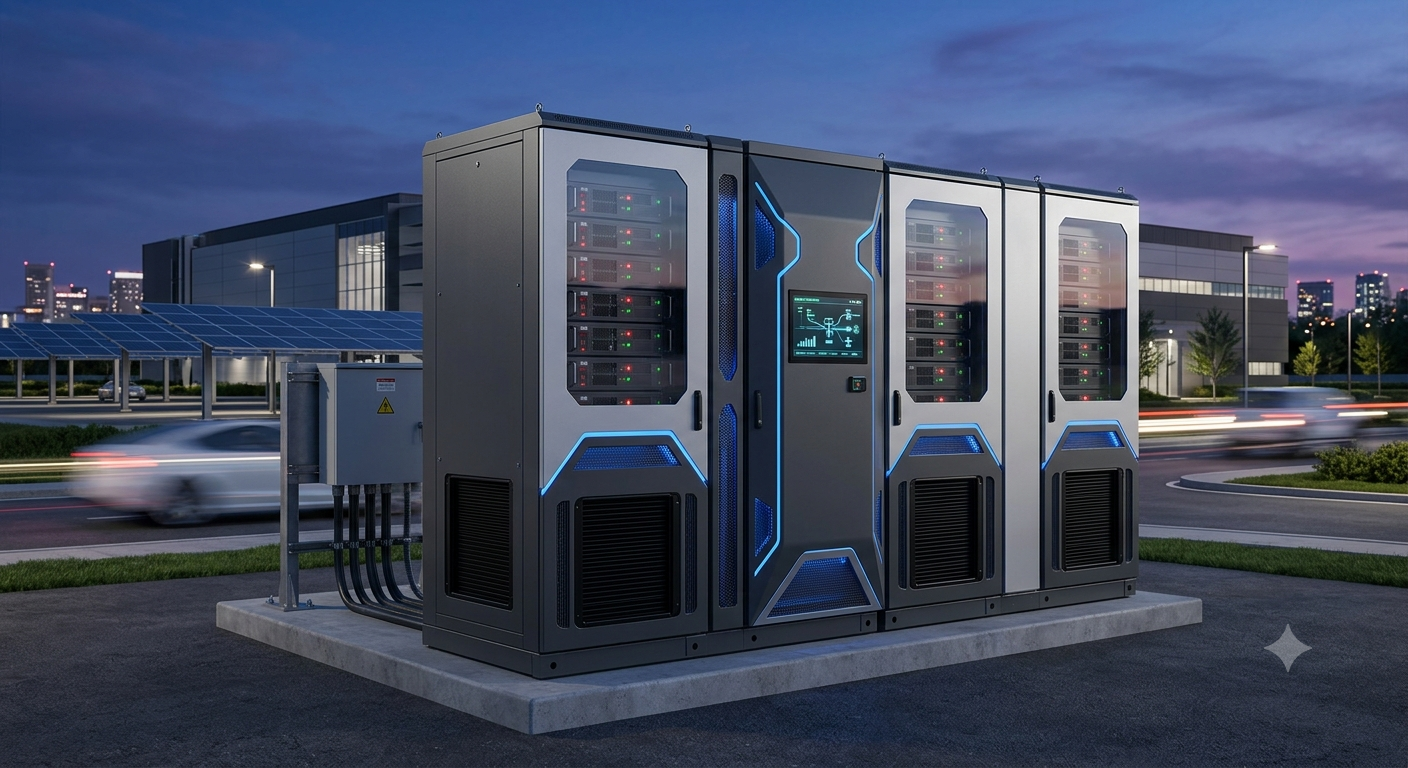
An engineered energy storage cabinet serves as the primary defensive and structural layer for modern Battery Energy Storage Systems (BESS). Rather than functioning as a standard metal locker, it acts as a fully integrated ecosystem that balances physical structural integrity with advanced electrical containment. The primary physical shell is typically fabricated from heavy-gauge galvanized steel or marine-grade aluminum, designed to withstand intense mechanical stress, environmental shifting, and internal dynamic loading.
+-------------------------------------------------------+
|              ENERGY STORAGE CABINET SHELL             |
|                                                       |
|  +-----------------------+   +---------------------+  |
|  |   BATTERY MODULES     |   | THERMAL MANAGEMENT  |  |
|  |  [Lithium Iron Phos.] |<->| [Liquid Chilling/   |  |
|  |  [Rack-Mounted Cells] |   |  HVAC Ventilation]  |  |
|  +-----------------------+   +---------------------+  |
|              ^                            ^           |
|              v                            v           |
|  +-------------------------------------------------+  |
|  |          INTEGRATED CONTROL & SAFETY DECK       |  |
|  |                                                 |  |
|  |  * Battery Management System (BMS Enclosure)     |  |
|  |  * Power Conversion System (Bi-Directional)     |  |
|  |  * Aerosol / Novec 1230 Fire Suppression        |  |
|  +-------------------------------------------------+  |
+-------------------------------------------------------+
Beyond holding weight, the internal framing must isolate high-voltage circuits, minimize electromagnetic interference, and absorb vibration. The architectural design ensures that individual battery cell groups, structural racking, and electronic control boards work harmoniously. By unifying separate hardware groups into a single footprint, these units reduce on-site installation times and prevent environmental contamination from degrading sensitive components.
Exploring Core Engineering Components
Every industrial-grade hardware enclosure depends on several tightly integrated sub-systems working simultaneously to ensure reliable power dispatch.
- Battery Modules and Racking: High-density cells (typically Lithium Iron Phosphate, or LFP) are grouped into rigid, rack-mounted modules that handle repeated charge cycles.
- Battery Management System (BMS): A dedicated digital monitoring layer that tracks cell-level voltage, impedance, and internal state-of-health data.
- Power Conversion System (PCS): The bi-directional inverter core responsible for transforming Direct Current ($DC$) from cells into alternating current ($AC$) for facility distribution.
- Power Distribution Unit (PDU): The heavy-duty busbar and switchgear network that routes current safely out of the structural framing.
Critical Thermal Management Methodologies
Maintaining precise control over internal internal temperatures is essential for extending battery lifespan and preventing thermal runaway conditions.
High-capacity systems generate significant internal heat during fast charge and discharge cycles, requiring specialized climate setups. Forced-air cooling setups use intelligent, variable-speed fan arrays and internal ductwork to pull heat away from cell surfaces. For high-density systems, closed-loop liquid chilling plates sit directly beneath battery trays, circulating specialized glycols to keep temperatures stable. These advanced thermal designs ensure uniform heat distribution across all modules, preventing localized hot spots from accelerating cell degradation.
Industrial Structural and Ingress Protection Ratings
Outdoor power hardware must operate reliably through severe weather conditions, ranging from desert heat waves to sub-zero winters.
| Ingress Rating / Standard | Ideal Deployment Environment | Core Protection Mechanism |
| IP54 Enclosure | Semi-protected commercial spaces, dusty manufacturing floors | Resists dust entry; blocks multi-directional water splashes |
| IP55 Enclosure | Standard outdoor setups, coastal microgrids | Prevents internal dust buildup; resists low-pressure water jets |
| NEMA 3R / NEMA 4 | Extreme weather installations, heavy industrial yards | Defends against windblown rain, external ice formation, and corrosion |
Selecting an incorrect housing tier can lead to catastrophic internal condensation, tracking faults, and premature structure failure. High-quality systems use specialized outdoor polymer coatings, UV-resistant door seals, and dual-layer thermal insulation to maintain dry, stable internal conditions regardless of external weather.
Advanced Fire Suppression and Hazard Mitigation
Safety engineering represents the most critical aspect of high-voltage multi-tier battery enclosure architecture.
Because large lithium-ion groups present a risk of thermal cascading if damaged, contemporary safety engineering relies on multi-layered mitigation equipment. Early-stage off-gas sensors detect trace chemical venting moments before temperature or voltage anomalies show up on the central monitor. If a hazard is confirmed, automated containment loops flood the sealed chamber with specialized clean suppression agents like Novec 1230 or condensed aerosol compounds. Structural explosion venting panels are also integrated into the upper frame walls, directing overpressure upward and away from personnel if gas buildup occurs.
Evaluating Internal Cell Chemistry Enclosures
The physical layout and structural reinforcement of an engineering enclosure depend heavily on the specific battery chemistry it contains.
CHEMISTRY FOOTPRINT COMPARISON
======================================================
Lithium Iron Phosphate (LFP)  [██████████████████] 100% Base Footprint
Sodium-Ion (Na-Ion, New Tech) [████████████████████████] +30% Enclosure Volume
Lead-Acid (Legacy Systems)    [████████████████████████████████] +80% Volume
While Lithium Iron Phosphate remains the commercial benchmark due to its excellent cycle life, alternative options are reshaping enclosure parameters. For example, sodium-ion technology requires larger internal cabinet volumes due to its lower energy density, but offers improved safety and stability across wide temperature ranges. Legacy lead-acid layouts demand massive floor space and continuous hydrogen gas ventilation, whereas modern lithium setups maximize energy density within a compact, completely sealed footprint.
Smart Grid Integration and EMS Intelligence
Modern power architecture functions as an active node within the broader utility framework, driven by smart software controls.
- Predictive Dispatch Algorithms: Energy Management Systems (EMS) analyze local historical billing tariffs to discharge stored power when prices peak.
- Virtual Power Plant (VPP) Communication: Encrypted protocols allow remote utility aggregates to draw from localized cabinets to balance regional grids.
- Real-Time Diagnostics: Edge-computing gateways stream internal performance metrics to off-site engineering teams via cellular links.
- Automated Load Shedding: During localized brownouts, the internal controller switches to island mode to protect critical facility processes.
Comparing Centralized vs. Decentralized Architectures
Deciding between a single mega-container or multiple modular enclosures changes your long-term operational flexibility.
| Evaluation Metric | Centralized Enclosure Platforms | Distributed Modular Cabinets |
| Installation Speed | Slow; requires major site prep, pad casting, and crane rigging | Fast; uses plug-and-play modules with simple forklift placement |
| Fault Isolation | Poor; single fault can take down the entire system | Excellent; individual cabinets can be isolated without affecting the grid |
| System Scalability | Fixed; expanding capacity requires adding another large container | Flexible; allows stacking extra units as load demands grow |
Distributed cabinet networks provide significant advantages for urban high-rises, commercial retail complexes, and retrofitted factory settings. Splitting capacity across multiple separate footprints minimizes risk, simplifies maintenance accessibility, and keeps the rest of the facility online if a single block needs servicing.
Commercial and Industrial (C&I) Applications
On-site power containment hardware provides commercial facilities with a reliable tool for managing operational costs and enhancing grid resilience.
Large-scale manufacturing plants, processing facilities, and cold-storage warehouses face high electricity bills due to utility peak demand charges. Placing a heavy-duty storage cabinet on-site allows these operations to draw power during off-peak windows and discharge it when demand spikes. This technique, known as peak shaving, reduces strain on utility infrastructure and lowers operational energy costs. Additionally, integrated backup power functionality ensures that sensitive assembly automation chains keep running smoothly during unexpected grid blackouts.
Utility-Scale Infrastructure and Microgrids
At the utility tier, scalable hardware configurations help stabilize variable power output from solar arrays and wind farms.
Because renewable energy generation depends on shifting weather patterns, utility operators use massive banks of containerized storage enclosures to balance supply and demand. These systems inject power into transmission lines within milliseconds of detecting frequency drops, keeping regional grids stable. In remote islands or rural communities, distributed storage cabinets form the backbone of independent microgrids, working with local solar arrays to provide consistent power without relying on long, vulnerable transmission lines.
Maintenance Protocols and Longevity Optimization
Maximizing the operational lifespan of high-capacity storage hardware requires disciplined preventative maintenance and monitoring.
While solid-state power systems have fewer moving parts than traditional diesel generators, they still require regular technical inspections to prevent degradation. Technicians must check high-torque electrical busbar connections for thermal fatigue, swap out HVAC air filters to ensure proper airflow, and inspect door gaskets to keep water out. Using internal sensors to track cell impedance trends allows operators to identify and replace underperforming modules before they affect the performance of the entire system.
Compliance, Certification, and Grid Standards
Deploying industrial power hardware requires strict adherence to international safety and electrical compliance frameworks.
- UL 9540: Evaluates the safety of integrated energy storage systems, focusing on electrical, mechanical, and thermal protection.
- UL 9540A: A rigorous thermal runaway fire test that measures gas composition and flame propagation speeds across cell groupings.
- NFPA 855: The standard for installing stationary energy storage systems, specifying structural spacing distances and fire protection designs.
- CE Mark / IEC 62619: Ensures electronics safety and material compliance across European markets.
Failing to meet these rigorous standards can result in denied project permits, high insurance premiums, or forced system shutdowns by local fire authorities. Working with fully certified, pre-assembled systems ensures hassle-free grid interconnection and long-term regulatory compliance.
Environmental Sustainability and Life Cycle Dynamics
The overall environmental value of energy storage technologies extends far beyond localized carbon reductions to include the full manufacturing lifecycle.
As thousands of industrial containment platforms roll out globally, the industry is focusing heavily on material recycling and sustainable manufacturing practices. LFP battery cells are highly valued because they avoid conflict materials like cobalt, making them easier and safer to process at end-of-life. Specialized recycling networks can reclaim up to 95% of structural metals, copper busbars, and raw lithium elements from spent modules. This circular approach reduces mining demand and ensures that the transition to clean energy remains environmentally sustainable from start to finish.
Future Trajectories in Cabinet Engineering
Looking ahead, energy infrastructure design is rapidly evolving to deliver higher power density within increasingly compact footprints.
Driven by breakthroughs in solid-state cell structures, next-generation containment systems will hold twice the energy capacity without growing in physical size. Advanced manufacturing centers are testing smart phase-change insulation materials that absorb excess heat without relying on mechanical pumps or fans. At the same time, cloud-based AI control platforms are becoming standard, enabling systems to automatically adjust internal performance parameters based on real-time global weather patterns and shifting grid demands.
Step-by-Step System Selection Checklist
Choosing the ideal hardware configuration requires a clear understanding of your facility’s specific operational and environmental needs.
- Calculate Peak Load Demands: Determine total kilowatt ($kW$) surge needs and required storage capacity ($kWh$) to properly support critical operations.
- Evaluate Site Conditions: Check local outdoor clear zones, space constraints, and ground loading limits to decide between indoor or outdoor cabinets.
- Confirm Local Ingress Needs: Select the appropriate protection tier (such as IP55 or NEMA 4) based on local dust, humidity, and coastal salt exposure.
- Verify Code Compliance: Ensure all selected components carry verified UL 9540 and NFPA 855 labels to guarantee smooth local permitting.
- Review Thermal Management Options: Choose between simple air cooling or high-efficiency liquid chilling based on your facility’s planned cycle rates and local climate.
FAQs
What is the primary purpose of an energy storage cabinet?
An integrated hardware cabinet safely houses battery modules, power conversion electronics, and safety systems. It protects these sensitive internal components from harsh outdoor weather while regulating internal temperatures and mitigating electrical hazards.
How does liquid cooling compare to forced-air cooling in these systems?
Liquid cooling uses specialized chillers to circulate cooling fluid directly past high-heat components, providing precise temperature control for high-density setups. Forced-air cooling relies on traditional fans and ventilation ducts, offering a simpler, cost-effective solution for lower-density installations.
Can these power systems be installed directly outdoors in freezing climates?
Yes, outdoor-rated setups engineered with NEMA 4 or IP55 enclosures feature heavy-duty insulation and integrated internal heating strips. This allows the internal battery cells to charge and discharge efficiently even when external temperatures drop below freezing.
What is the typical operational lifespan of a modern industrial cabinet?
The structural steel enclosure is built to last over 25 years with basic maintenance. The internal lithium-ion battery modules typically deliver 6,000 to 10,000 full charge cycles, translating to 10 to 15 years of reliable daily operation before requiring replacement.
What certification codes are required for commercial installations?
Commercial projects generally require full system certifications under UL 9540 (for overall safety) and compliance with NFPA 855 installation standards. These ensure the system meets local building, electrical, and fire safety codes.
How do these systems help facilities lower their electricity bills?
The internal software monitors utility rates in real time, charging the batteries during inexpensive, off-peak hours and discharging power during high-rate peak demand windows. This peak shaving strategy minimizes expensive demand charges on monthly utility statements.
What happens if an internal cell experiences a short circuit?
The multi-tier system safety design immediately triggers electronic fuses via the BMS to isolate the affected module. If temperatures continue to rise, integrated gas sensors automatically activate clean-agent fire suppression loops to suppress the hazard before it can spread.
Conclusion
The modern energy storage cabinet represents a major leap forward in power infrastructure engineering, combining robust physical protection with smart digital management. From protecting high-density lithium cells from extreme outdoor weather to managing complex thermal loads and electrical safety, these systems are essential for building a resilient, decentralized grid. Investing in high-quality containment platforms allows commercial enterprises and utility operators to cut operational energy costs, guarantee reliable backup power, and seamlessly integrate renewable energy sources. As clean energy demands accelerate globally, selecting certified, well-engineered containment hardware ensures your infrastructure remains safe, compliant, and highly efficient for years to come.